How to Choose the Right Massage Setting
Some massages are technically good and still somehow miss the moment. The pressure may be perfect, the therapist skilled, the oil beautifully scented – yet the setting feels off. If you have ever wondered how to choose massage setting for a session that actually matches your mood, the answer starts before the first touch. It starts with where you are, what your body needs, and how you want to feel when it is over.
A massage is not only a treatment. On vacation especially, it can become the pause that changes the tone of the whole trip. For locals, it can be the reset that gives a long week a softer landing. The right setting shapes that experience more than most people expect.
Why the setting matters more than people think
The body responds to environment quickly. Light, sound, temperature, privacy, even the view beyond your eyes when you first lie down – these details influence how easily you relax. A deep tissue session in a busy, distracting atmosphere can feel very different from the same work in a quiet villa with the breeze moving through the room.
That does not mean there is one perfect answer. It means the best setting is personal. Some people melt the moment they hear the ocean. Others only truly let go behind closed doors, in a cool room, with no one nearby. Choosing well is less about what sounds luxurious on paper and more about what helps you exhale.
How to choose massage setting based on the feeling you want
Start with the end of the experience. Do you want to float, recover, reconnect, or simply be still for an hour without being needed by anyone?
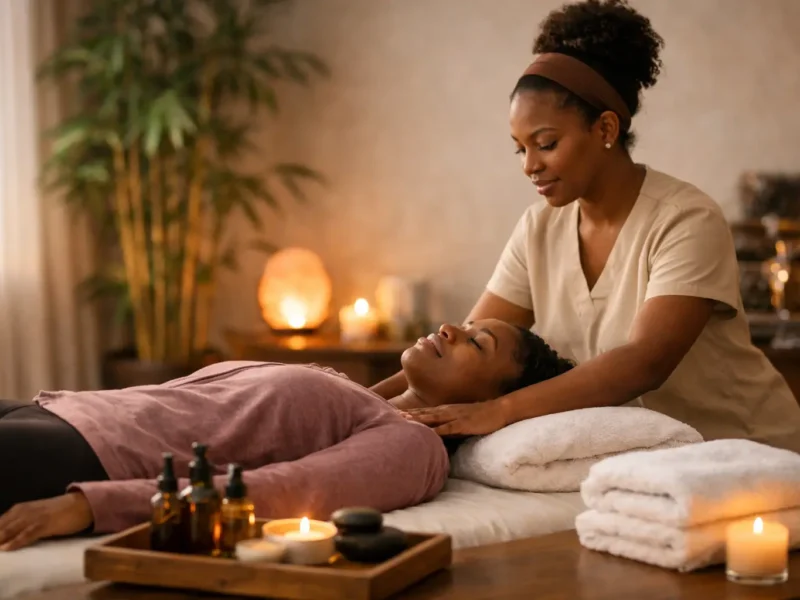
If your goal is pure calm, a quiet indoor setting often gives you the deepest surrender. Villas, private accommodations, and peaceful resort spaces tend to create a cocooned feeling. There is less sensory competition, which matters if your nervous system already feels overstimulated from flights, planning, sun, and activity.
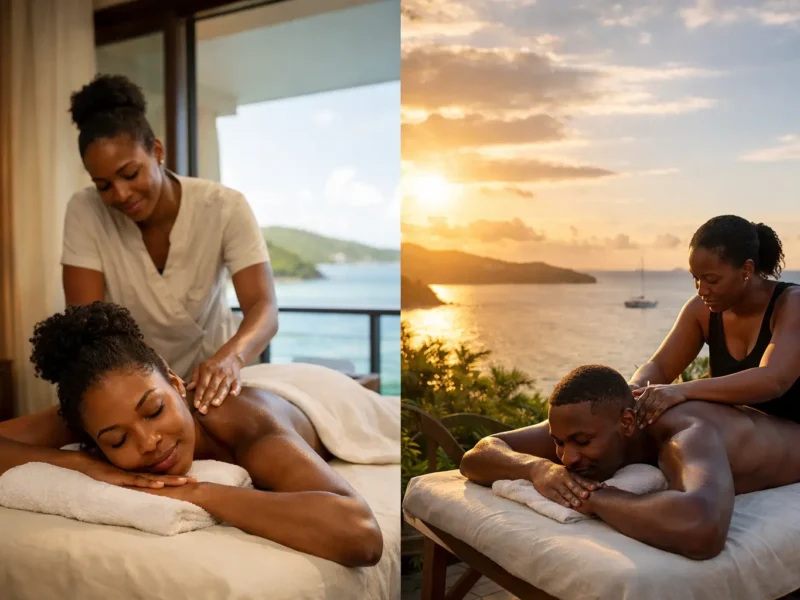
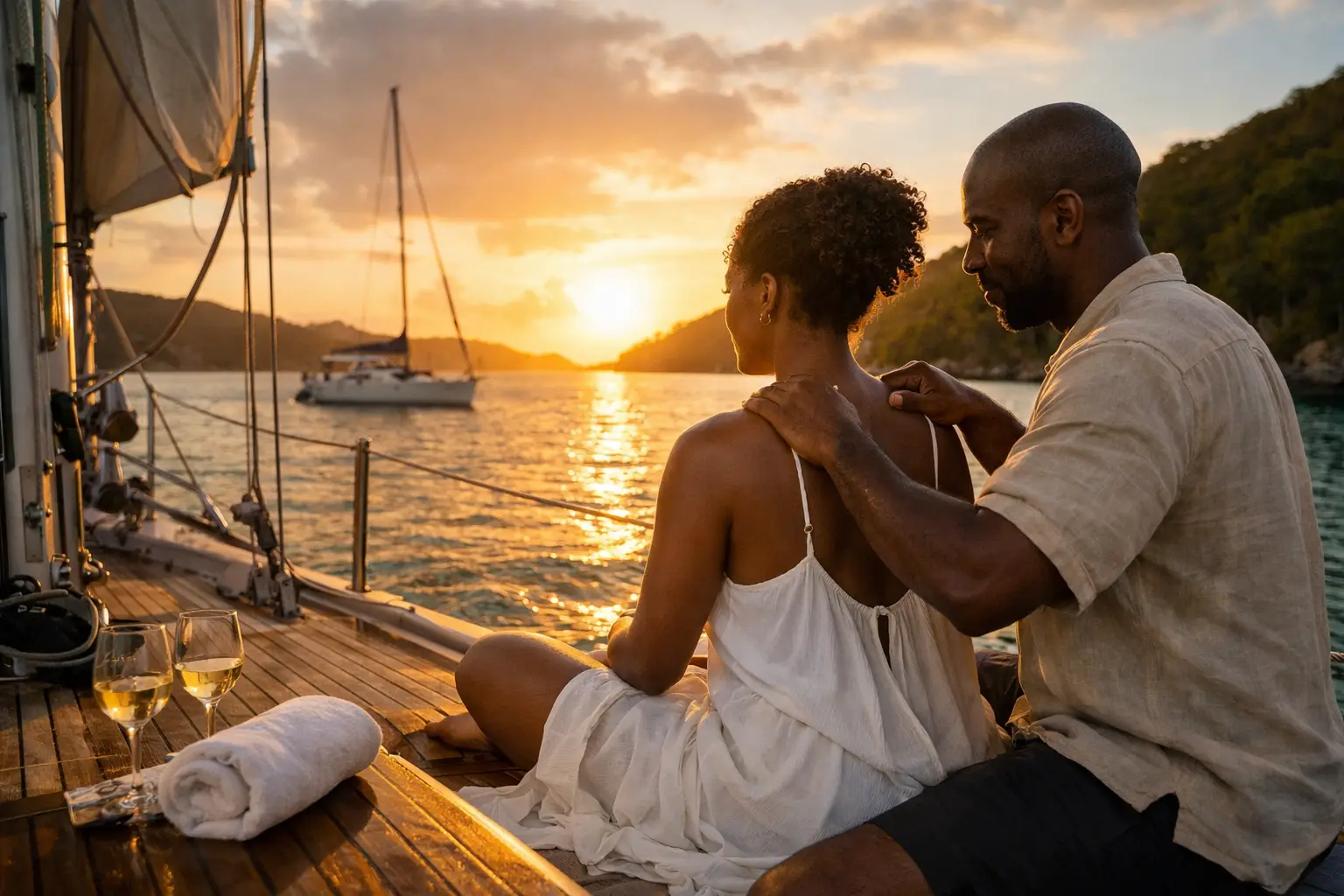
If you want the session to feel romantic or unforgettable, the setting can lean more scenic. A beachside massage, a shaded terrace, or a yacht deck at the right hour can feel cinematic in the best way. This works beautifully for couples, honeymooners, and anyone who wants the massage to become part of a larger memory, not just a service on the itinerary.
If your body feels tired from travel, excursions, or too many hours in sandals, practicality may matter more than atmosphere. In that case, choose the easiest, most comfortable setting available. The less you have to organize before and after, the more benefit you will actually feel.
Indoor or outdoor? It depends on your nervous system
This is usually the first real choice, and there is no universal winner.
Indoor massage tends to be best for people who want consistency. The temperature is easier to control. The soundscape is quieter. Privacy is stronger. If you are receiving deeper bodywork, prenatal massage, or simply know you are sensitive to sun, wind, or distraction, indoor is often the gentler choice.
Outdoor massage offers something different. It can feel expansive, sensory, and distinctly tied to place. In the islands, that might mean trade winds, sea air, palm movement, and the kind of natural beauty that helps your shoulders drop before the session even begins. But outdoor settings come with trade-offs. Heat, brightness, unexpected noise, and shifting weather can pull some people out of the experience.
A good rule is this: if nature helps you settle, outdoor may feel magical. If you relax best with control and quiet, indoor may serve you better.
Beachside massage sounds dreamy – and often is
A beachside setting can be extraordinary when the conditions are right. It feels open, elemental, and deeply tied to the rhythm of vacation. For some guests, that combination of salt air and healing touch becomes the one moment they remember most clearly from the entire trip.
Still, beach massage is best chosen intentionally. Ask yourself whether you enjoy ambient sound, shifting temperatures, and a more natural environment. If your version of bliss includes hearing the water and feeling the breeze, this may be exactly right. If you prefer complete stillness, it may be better as a photo-worthy fantasy than your ideal session.
Villa and resort settings offer ease
For many travelers, a private villa or suite is the sweet spot. You get convenience, privacy, and comfort without sacrificing atmosphere. There is no need to drive anywhere afterward, no transition back into public space, and no break in the relaxed feeling once the session ends.
This option is especially lovely for couples, wedding groups, and families because it turns massage into part of the day rather than a separate appointment. The setting feels personal. It unfolds at your pace.
Match the setting to the massage style
Another smart way to think about how to choose massage setting is to let the massage style guide the environment.
Swedish and aromatherapy massage usually pair beautifully with serene, quiet spaces where the body can drift. These sessions tend to benefit from softness – soft light, soft sound, soft transitions. The more protected the environment, the easier it is to drop into that floating state.
Deep tissue can work in several settings, but comfort matters. If the session is more focused and restorative, choose a place where your body can fully release without distraction. A stable massage table, controlled temperature, and quiet surroundings usually help more than dramatic scenery.
Couples massage benefits from emotional atmosphere as much as physical comfort. A private terrace, peaceful villa, or elegant suite can make the experience feel shared and intimate. The setting becomes part of the connection.
Pre- and post-natal massage calls for the gentlest kind of ease. That often means choosing the most supportive and restful space possible, where there is room to settle in slowly and feel fully cared for.
Think about timing as much as location
The same setting can feel entirely different depending on when you book it.
Morning sessions often suit people who want a grounded start. The world is quieter, the light is softer, and the body has not yet taken on the heat and movement of the day. If you tend to feel mentally busy, morning massage can create a calm center you carry forward.
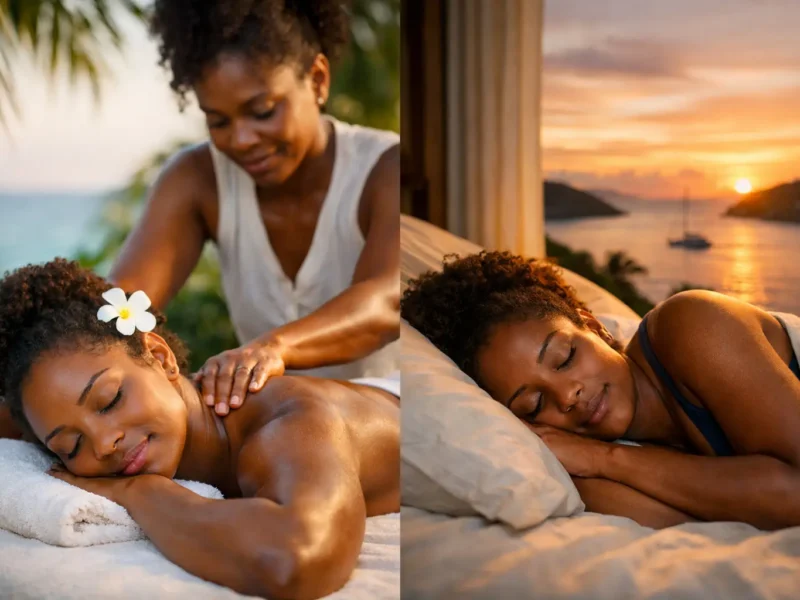
Late afternoon and sunset sessions bring a more emotional, atmospheric feeling. The light turns golden, the pace slows, and the massage can become a bridge into dinner, rest, or a quiet evening together. This timing is especially beautiful in scenic outdoor settings.
Midday works best when convenience is the priority, but be honest about energy. If you are rushing back from snorkeling, a jeep tour, or a beach day, the body may need a little time to cool down before massage feels good.
Privacy changes everything
Luxury is not always about extravagance. Often, it is about being able to fully let go.
If you are shy, traveling with a group, or simply know that your mind stays alert in semi-public spaces, choose a setting with true privacy. This matters more than many first-time guests realize. A hidden corner, a closed room, or a tucked-away terrace can help the body soften faster because it no longer feels watched or interrupted.
For wedding parties, yacht guests, and group celebrations, this is especially important. It is tempting to choose the most visually exciting location, but the best session usually happens where each person can relax without performance.
A few questions that make the choice easier
Before you book, pause for a moment and ask yourself what you usually need in order to rest. Do you like quiet or natural sound? Shade or warmth? Scenery or enclosure? Do you want the massage to feel memorable and sensory, or deeply cocooning and restorative?
Also think about the hour after your session. If you want to nap, read, shower, or linger in a robe, book somewhere that lets the calm continue. If you want to step straight into a sunset sail, celebratory dinner, or slow evening on deck, choose a setting that flows naturally into that plan.
That is often the real secret. The best massage setting does not stand alone. It fits the rhythm of your day.
When there is no obvious perfect choice
Sometimes two options both sound right. In that case, choose the one that asks less of you.
The massage itself should be the experience, not the logistics around it. If one setting requires a long transfer, more scheduling, or a rushed transition, and the other lets you stay present and unhurried, the easier option is often the better one. Ease is part of the luxury.
A beautiful setting should support your nervous system, not impress it. That is true whether you are booking a solo reset, a couples ritual, or a peaceful hour folded into a St. Thomas escape with ZenWaves Massage & Adventures.
The right setting is the one that lets your body recognize, almost immediately, that it can stop holding everything for a while. Choose the place where that feels most possible, and the massage will meet you there.