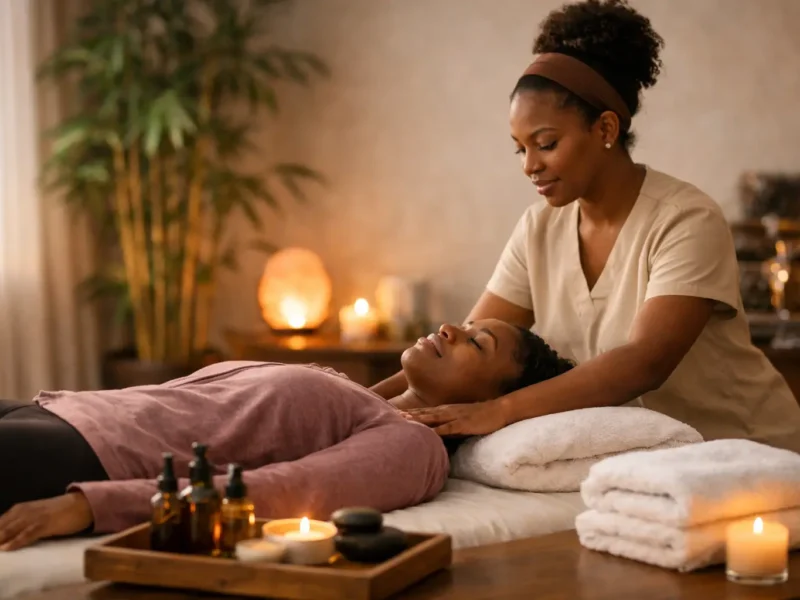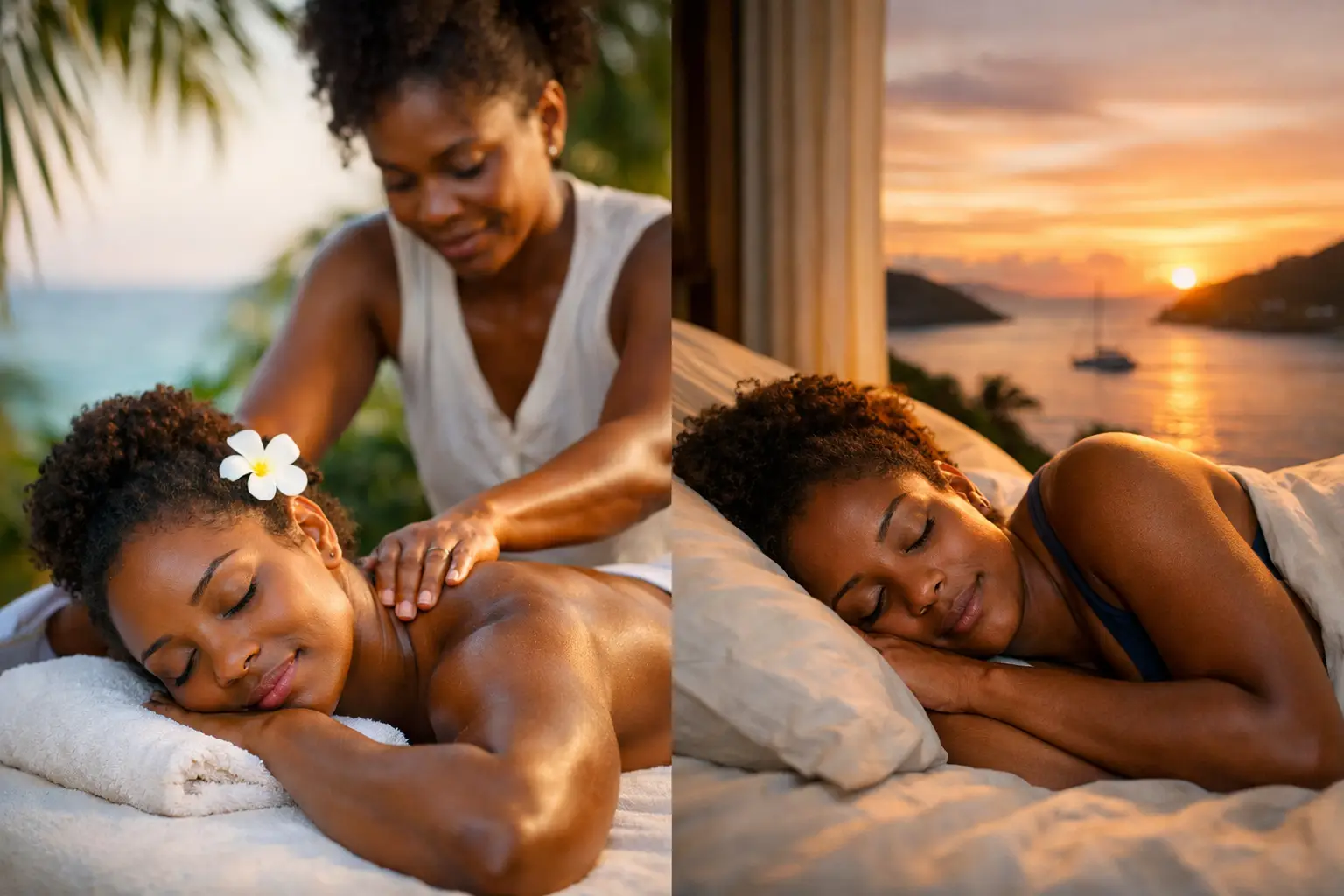
Can Massage Improve Sleep Quality?
There is a particular kind of tired that a vacation does not fix on its own. You can spend the day in turquoise water, watch the sun fall into the horizon, and still lie awake with a busy mind and a body that never quite powers down. If you have ever wondered, can massage improve sleep quality, the short answer is yes – for many people, it can be a beautiful way to help the body soften into rest.
That said, sleep is rarely about one magic switch. It is usually a blend of nervous system state, physical comfort, mental load, environment, and timing. Massage can support several of those at once, which is why it so often feels like more than a luxury. In the right moment, it becomes a reset.
Can massage improve sleep quality for everyone?
Sometimes. That is the honest answer.
Massage tends to help sleep most when your sleeplessness is tied to tension, overstimulation, travel fatigue, muscle soreness, emotional stress, or the simple habit of staying alert for too long. If your shoulders are living up near your ears, your jaw is tight, and your thoughts are still racing at midnight, the healing power of touch can help interrupt that pattern.
But it is not one-size-fits-all. A very intense deep tissue session late at night may leave some people feeling energized rather than sleepy. Others do best with gentler bodywork, warm oil, slower pacing, and a quiet room afterward. The style matters. The timing matters. Your own body matters.
That is why the question is less about whether massage guarantees sleep, and more about whether it creates the conditions for sleep. Often, it does.
Why massage can help the body let go
A good massage invites your whole system to stop bracing. That shift can feel subtle at first. Your breathing gets deeper. Your stomach unclenches. The constant low-level effort of holding yourself together starts to ease.
When that happens, rest comes more naturally. It is hard to drift into deep sleep when the body still believes it needs to stay on watch. Gentle, intentional touch can encourage a move away from that alert state and toward something quieter and safer.
There is also the simple physical side of it. If discomfort is keeping you awake, massage may help by easing tight muscles in the neck, back, hips, and legs. Travelers feel this all the time – long flights, unfamiliar beds, too much walking, too much sitting, too much sun, too much stimulation. The body may be happy, but it is not always settled. Massage helps close that gap.
For some people, the benefit is emotional as much as physical. Being cared for, slowing down, and stepping out of decision mode can be deeply regulating. On a honeymoon, after wedding events, during a retreat, or even after a full day of island adventure, that pause can be the moment your entire system finally exhales.
The best type of massage for better sleep quality
If your goal is sleep, softer usually wins.
Swedish massage is often the best place to start. Long, flowing strokes, steady rhythm, and moderate pressure tend to calm rather than stimulate. Aromatherapy can add another layer if you respond well to scent, especially if the atmosphere is quiet and unhurried.
Lomi Lomi can also be a lovely fit for sleep support because it feels continuous and wave-like, less focused on isolated knots and more focused on soothing the body as a whole. For many people, that creates a deeply nurturing feeling that lingers long after the session ends.
Deep tissue has its place, especially if pain or stiffness is what keeps waking you up. But if the pressure is too intense, or if the work is very targeted and vigorous, you may leave feeling worked on rather than ready for bed. That does not mean deep tissue is wrong. It just means the intention should match the moment.
If sleep is the priority, tell your therapist. That one detail can shape the entire experience – the pace, the pressure, the music, the focus areas, even the ending.
Timing matters more than people think
A massage at 10 a.m. can still improve your evening, but if you want the strongest sleep-friendly effect, later is often better.
An afternoon or early evening session gives you a chance to ride that relaxed state into the night. The key is not to fill the hours afterward with more stimulation. If you go straight from blissful relaxation into loud dinner reservations, cocktails, emails, and bright screens, you may lose some of the benefit.
The best routine is simple. Have your massage, drink water, eat something light if you need to, keep the evening gentle, and let your body stay in that softened place. Think fewer plans, lower lights, quieter conversation. Let the massage be the beginning of your night, not just another appointment inside it.
This is where setting matters too. A peaceful villa, a shaded terrace, a quiet room with the sound of the sea nearby – these are not just pretty details. They help the body believe it can settle. In places like St. Thomas, where the air itself seems to ask you to slow down, massage can feel even more effective because the whole environment is working in the same direction.
What gets in the way of better sleep after massage
Sometimes people expect to float into perfect sleep and then wonder why it did not happen.
A few things can interfere. If you schedule bodywork after too much caffeine or alcohol, the body may still struggle to find a steady rhythm. If you choose very firm pressure when you were already overstimulated, you may feel alert afterward. If you are carrying heavy stress, one session may help a lot without fully undoing the pattern.
There is also the rebound effect of finally relaxing. Occasionally, people notice their thoughts get louder once the body gets quiet. That is not failure. It is often what happens when there has been no room to feel anything all day. In that case, massage is still doing something valuable. It is simply opening the door, not forcing the final result.
How to make massage more effective for sleep
A few small choices can make a noticeable difference.
Go in with a clear intention. If you want rest, say so. Ask for a calming session rather than a corrective one. Choose evening if possible. Give yourself at least an hour or two afterward with nowhere urgent to be.
It also helps to support the experience with gentle habits. A warm shower, loose clothing, minimal screen time, and a cool, comfortable room can all extend that post-massage calm. If you are traveling, this matters even more. Your body is already adapting to new inputs, so familiar rituals become anchors.
And if you are booking massage as part of a larger wellness rhythm, think about what your day looked like beforehand. A quiet beach walk, a sunset on the water, or simply an unrushed dinner can make the whole evening feel cohesive. At ZenWaves Massage & Adventures, that is often the sweet spot – not just a service, but a journey to serenity shaped around the way you want to feel when the day is done.
Can massage improve sleep quality long term?
It can, especially when poor sleep is tied to chronic stress and recurring tension.
One massage may help you sleep better that night. Regular massage may teach your body how relaxation feels again. That is a different kind of benefit. Over time, your nervous system may begin to recognize safety and softness more quickly, instead of treating every day like something to push through.
Still, long-term sleep quality depends on patterns. Massage can be a powerful part of that pattern, but it works best alongside the basics – enough downtime, a comfortable sleep environment, and some honest attention to what keeps you activated after dark.
For some, weekly or monthly bodywork is enough to shift the baseline. For others, massage is most useful during high-stress seasons, travel, wedding weekends, or after physically demanding days. There is no perfect formula. The right rhythm is the one that leaves you feeling more like yourself.
When massage may not be the full answer
If your sleep trouble feels persistent, intense, or unrelated to stress and physical tension, massage may help without solving the whole issue. That is okay. Not every kind of fatigue responds to the same care.
What massage does offer, almost every time, is a gentler relationship with your body. It reminds you what it feels like not to grip, brace, and push. Even when sleep does not change overnight, that still matters. Often, rest begins there.
And sometimes the biggest shift is not dramatic at all. It is falling asleep without replaying the day. It is waking once instead of three times. It is noticing your breath is slower, your shoulders are softer, and your mind is no longer sprinting ahead of you.
That is the quiet promise of massage. Not instant perfection, but the possibility of a softer landing at the end of the day – and sometimes, that is exactly what better sleep has been waiting for.